The Mexican photographer talks about learning to read light, earning a model’s trust, and why he wants to help 153 models build stronger portfolios in 2027.
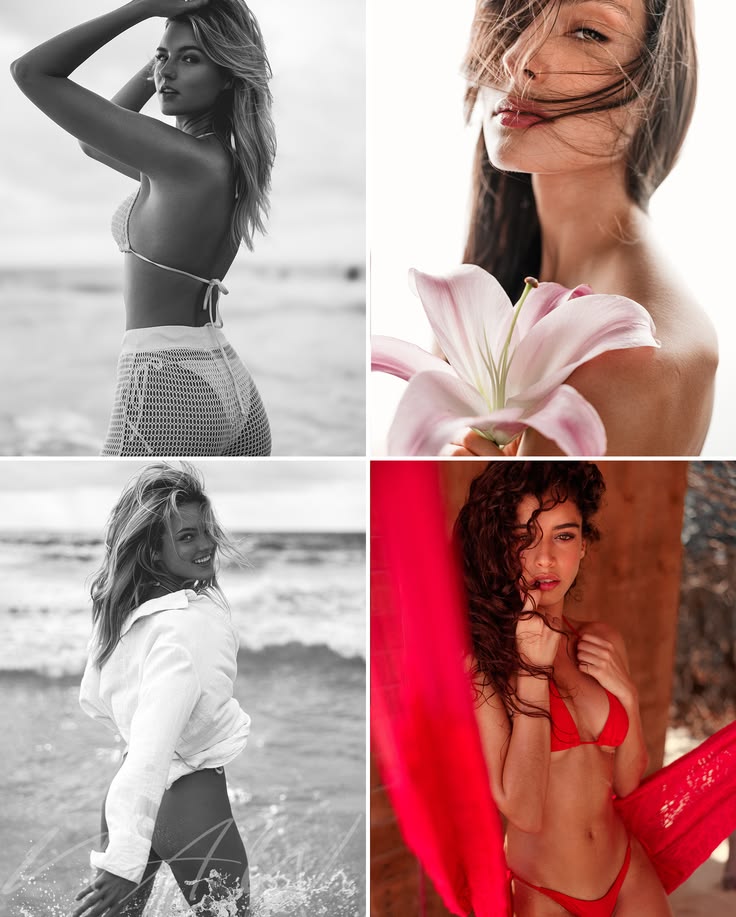
For Nando Naw, the best place to shoot begins with a time of day. At 7:30 a.m. or 5:30 p.m., he says, you can make a beautiful photograph almost anywhere. If he gets to choose the location, though, it’s the Riviera Maya, where white sand reflects light onto a model’s face and the breeze sets lightweight fabrics in motion.
His eye for those details started with his parents’ point-and-shoot cameras and a book that made him want to understand how photographs were made. In this InMexico Photographer Spotlight, Naw traces the path from photographing friends at school to working with professional models. He shares what he notices during hair and makeup, how he chooses his projects, and what makes a photograph stay with someone after they’ve seen it.
How did your journey into photography begin, and what inspired you to make it your passion?
It started when I was around seven. At home, Mom and Dad always had thousands of vacation photos and four or five different point-and-shoot cameras. But it wasn’t until I discovered a book called El gran libro de la fotografía, filled with images unlike anything I’d seen before, that something really clicked.
Shooting on film felt magical, technical, and challenging. Somehow, it seemed possible to capture the essence of a moment—or even a person. Not in the Perfume kind of way, of course. (Laughs.)
So I started photographing my friends at school, practicing everything I’d learned from that book: composition, exposure, black-and-white photography. I fell in love with the process, but also with people’s reactions to the photographs. Realizing that the way I saw them was so different from how they saw themselves felt like translating my world into theirs.
You’re recognized as one of Mexico’s leading photographers. What has helped you develop such high standards and a distinctive style?
It all came down to one question: ‘How the did they shoot this?’
I’d study magazines, look for reflections in people’s eyes to figure out what kind of lighting had been used, examine distortions to identify lenses, and study perspective and distance to work out whether an image had been shot on 35mm or medium format. Somehow, I taught myself to ‘read’ the lighting and equipment behind a photograph.
I’ve always had a peculiar visual taste. As it happened, the photographs I loved most were either technically difficult or extraordinarily elegant in their styling and the personalities they portrayed. I loved the challenge of recreating that level of work.
The key was never giving up until the photograph looked exactly the way I wanted it to.
What has been your favorite location to photograph, anywhere in Mexico or the world, and why?
I’d say it’s not a place, but a time: 7:30 a.m. and 5:30 p.m. Everyone looks amazing in that light. You can photograph almost anywhere and get something beautiful if you know what to look for.
But if I had to choose a place, it would be the Riviera Maya. It has everything: white sand that bounces light back onto your subject’s face, turquoise water, Tulum’s architecture, sun-kissed skin, hair blowing in the wind, and long, lightweight fabrics moving with the breeze. Yes, that’s the one.
Your photographs capture women with remarkable confidence, beauty, and sophistication. What’s your secret to making your subjects feel comfortable and bringing out their best?
Thank you. That’s exactly my intention.
I’ve always said something people find strange: you must love every person you photograph. There’s always something to love about someone. Find what it is, because that’s what you should show the world.
But love them from a distance. Always love, never desire. Especially when working with beautiful women. It takes only a split second of letting your mind—or your eyes—wander in the wrong direction to lose a model’s trust. And always, always be a gentleman. You’re there to do a job.
Your job is to make people feel their best first. Get to know the person. You have an hour or two during hair and makeup: talk, watch their expressions, ask about their dreams, and notice that light in their eyes. They’ll do most of the work for you. All you have to do is not mess it up.
What do you love most about photographing people, and what continues to inspire your creativity?
Creating something that has never existed before. Photographing something—or someone—beautiful, or photographing them beautifully. It’s a need that artists understand instinctively, even if other people sometimes find it unusual.
Professionally, it’s about giving my clients and subjects the best possible chance at whatever they’re pursuing.
Your work is highly sought after, and your availability is limited. How do you decide which projects and clients to work with?
My answer would have been very different a few years ago, and even more so when I first started. In the beginning, I had one rule: say yes to every project, then figure out how to make it happen.
Today, I’m fortunate to attract clients and creative partners who share similar values, and projects that arrive at the right time. But there’s always a trade-off. Sometimes you feel it in your chest—that instinct that tells you whether something is right. Every time I’ve chosen not to listen to it, I’ve discovered a hidden cost later on. So I’ve learned to trust that feeling.
What separates a beautiful photograph from an extraordinary photograph that tells a story?
I think it’s much like literature. There’s language, audience, environment, and personal style. They all have to come together.A beautiful photograph can be like a snack: eye candy. Something you see every day, walk past, glance at, and forget until you happen to see it again.
An extraordinary photograph makes you stop walking. Your eyes stop searching. For a moment, you forget what you were thinking about.It’s the difference between reading a news article and reading a novel—or a poem. The challenge is that, in photography, you may have only one page to tell the story, as in an advertisement. Or, if you’re lucky, six, as in an editorial.
What advice would you give someone just entering the photography industry who dreams of reaching your level of success?
Ah, this one’s easy! Invest in great, professional models. Invest in people before you invest in cameras, lenses, or equipment.
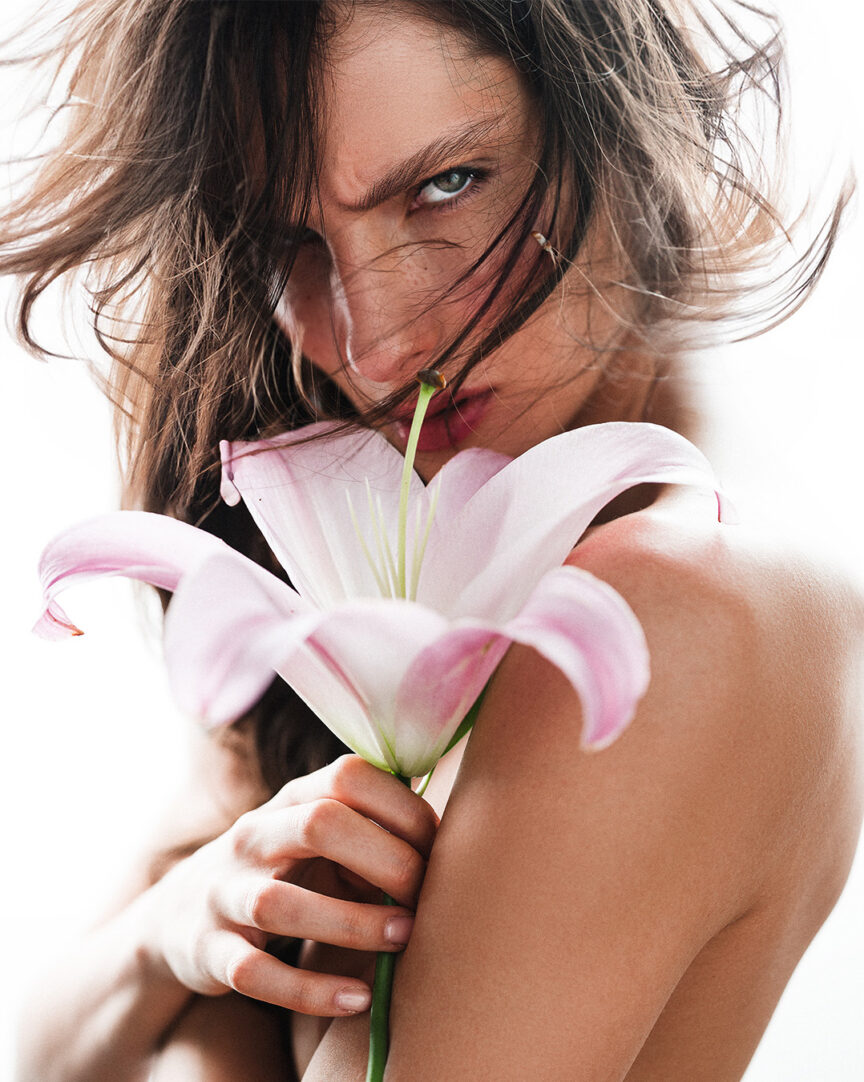
A beautiful, experienced, professional model can make your photographs look amazing from the beginning. You’ll need little to no retouching. They know how to move, how to dress, and how to work with the camera. They can become your first teachers beyond the classroom.
Be the photographer first. Do the photography next. Have the equipment later.
For someone who wants to experience your photography firsthand, how can they find you, contact you, and book a session?
Thank you. You can find me on Instagram at @nandonaw or email me at hola@naw.studio.
Looking ahead to 2027, what are your biggest creative goals, and what exciting projects can we expect from you?
I want to break a personal record. I want to help launch—or give a real boost to—as many models’ careers as possible.
The number is 153. If I can help 153 models begin their portfolios in an amazing way, giving them the best opportunities from the start, or help established models refresh their portfolios and move their careers forward, I’ll have reached my goal for 2027.
From InMexico
When Naw first photographed his school friends, he was struck by the gap between how they saw themselves and what he saw through the camera. That curiosity still guides him, from the conversations he starts in the makeup chair to his plans to help models build portfolios for the next stage of their careers.
Thank you, Nando, for sharing your story with InMexico. To see more of his work or inquire about a session, find him on Instagram at @nandonaw or email hola@naw.studio.